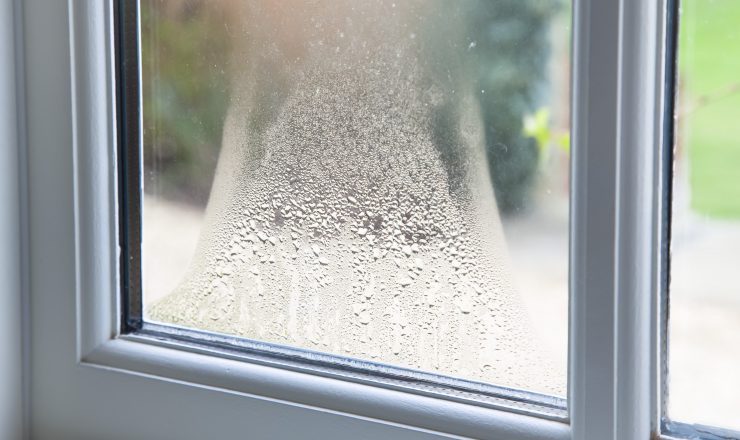
Understanding Double Glazing Moisture: Causes, Effects, and Solutions
Double glazing has actually ended up being a popular feature in modern homes, primarily due to its insulation benefits and contribution to energy performance. Nevertheless, one of the considerable issues that can emerge with double-glazed windows is moisture accumulation between the panes. This article will check out the reasons for double glazing moisture, its impacts on your windows and health, and practical solutions for avoidance and remediation.
What is Double Glazing?
Double glazing refers to the setup of two panes of glass in a window frame, with a sealed air gap between them. This style supplies superior insulation, lowering heat loss, lessening noise, and enhancing energy performance. In spite of its lots of advantages, double glazing can sometimes experience condensation or moisture between the glass panes.
Causes of Moisture in Double Glazing
Moisture accumulation in double glazing normally takes place when there is a break in the seal surrounding the glass panes. Below are some of the primary causes:
- Seal Failure: The seals around double-glazed units can deteriorate gradually due to ecological aspects like UV rays and temperature level changes. When the seal stops working, moisture-laden air can get in the space in between the panes, causing condensation buildup.
- Temperature level Changes: Rapid temperature level changes can induce condensation. For instance, when it's hot and humid outdoors but cooler inside (or vice versa), condensation is likely to form on the surface area of the glass.
- Poor Installation: If double-glazed windows are not set up correctly, this can result in spaces in the seals or inadequate drain, increasing the opportunities of moisture buildup.
- Dirty or Damaged Glass: Dirt and scratches on the glass surfaces can also interrupt the seal and lead to moisture intrusion.
- Humidity Levels: High indoor humidity can intensify condensation issues, specifically in locations like cooking areas and bathrooms.
The Effects of Moisture in Double Glazing
Moisture build-up in between the panes of double glazing can have a number of negative effects:
- Diminished Aesthetic Appeal: Condensation causes foggy or hazy windows, diminishing a home's appearance.
- Minimized Insulating Properties: When condensation forms, the insulating homes of double-glazed windows are jeopardized, resulting in increased energy costs and pain in the home.
- Prospective Structural Damage: Prolonged moisture buildup can possibly lead to mold development and damage the window frame and surrounding areas.
- Reduced Property Value: Homes with noticeable double glazing moisture issues may struggle with reduced home value and attract potential buyers.
Solutions for Double Glazing Moisture
When encountering moisture in double glazing, it's necessary to recognize the cause and execute efficient solutions. Here are numerous choices to think about:
- Seal Replacement: If seal failure is the offender, the most reliable service is often to replace the malfunctioning seal. Skilled service technicians can do this without totally replacing the window unit.
- Glass Replacement: In cases where the window has actually been extensively harmed or the seals can not be successfully fixed, changing the whole double-glazed system may be needed.
- Ventilation Improvements: Improving ventilation in high-humidity locations can reduce the level of moisture in the air. Consider using exhaust fans in kitchens and bathrooms.
- Utilizing Dehumidifiers: Portable or whole-house dehumidifiers can assist handle indoor humidity, lowering the opportunities of condensation forming on windows.
- Professional Inspection: Regular assessments by a window specialist can assist find early indications of seal failure or other moisture problems, permitting timely repairs.
Table: Summary of Causes, Effects, and Solutions for Double Glazing Moisture
| Classification | Information |
|---|---|
| Causes | - Seal failure - Temperature modifications - Poor installation - Dirty/damaged glass - High humidity levels |
| Results | - Diminished aesthetic appeal - Reduced insulating homes - Potential structural damage - Decreased home worth |
| Solutions | - Seal replacement - Glass replacement - Ventilation enhancements - Using dehumidifiers - Professional inspection |
Frequently Asked Questions (FAQs)
1. How can I inform if my double glazing has moisture inside?
- The most typical indication is misting or condensation visible between the panes of glass. It might likewise look like streaks or water beads.
2. Can I fix the moisture problem myself?
- Small condensation can be handled through much better ventilation, but significant moisture problems typically require professional evaluation and repair.
3. For how long does double glazing generally last?
- Top quality double-glazed windows can last approximately 20 years or more; however, various factors, including installation quality and local climate conditions, can impact durability.
4. Is moisture between the panes harmful to health?
- While the condensation itself is not directly hazardous, it can cause mold development, which can posture health threats.
5. What are Misted Window Pane Repair associated with fixing double glazing moisture issues?
- Repair costs can differ extensively depending upon the extent of the damage, with basic seal replacements being less costly and complete glass replacements costing considerably more.
Double glazing supplies many advantages, but moisture accumulation can position substantial challenges if not dealt with without delay. Comprehending the causes, results, and offered solutions is essential for preserving double-glazed windows efficiently. By taking preventive steps and acting quickly when moisture concerns occur, house owners can maintain their windows' aesthetic appeal and energy effectiveness while guaranteeing a comfy and healthy living environment.